When High Performers Are Hurting: The Hidden Cost of Excellence Without Support
High performers are often the last people anyone worries about. They deliver, they adapt, they push through. But beneath the excellence, many are running on empty — and the cost of ignoring that is higher than most organizations realize.
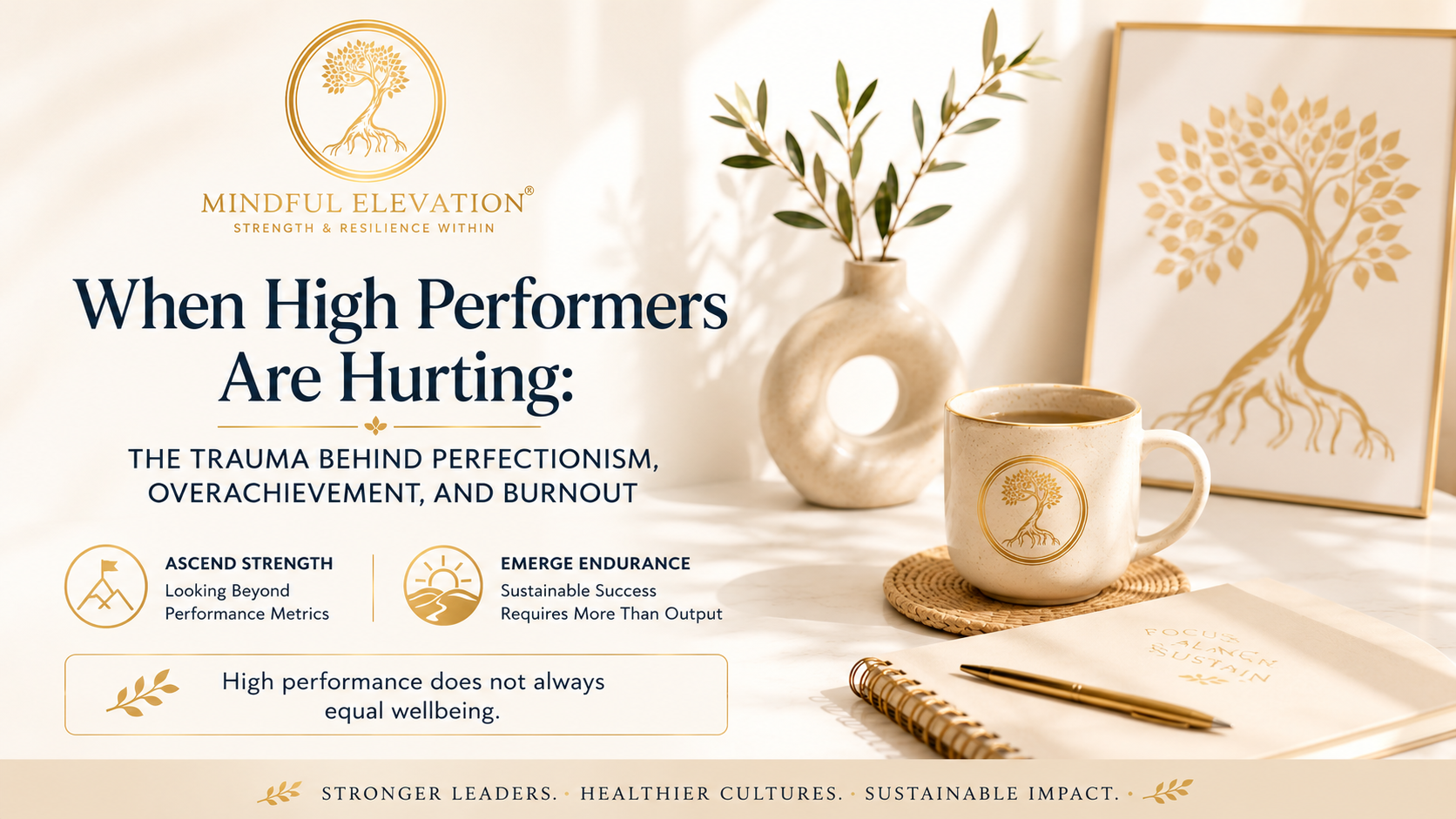
High performers are the people organizations rely on most and support the least. They are the ones who get the hardest assignments, the tightest deadlines, and the least check-ins — because they always figure it out. Their competence becomes a kind of invisibility. Because they deliver, no one thinks to ask how they are doing.
But high performance is not the same as high capacity. And the gap between those two things is where burnout lives. High performers often have exceptional skills for managing output and very little infrastructure for managing their own wellbeing. They have learned to perform through difficulty, which means they have also learned to hide it.
The organizational cost of this pattern is significant. When high performers burn out, they do not usually announce it. They quietly disengage. They start doing just enough. They begin looking for the exit. And by the time the organization notices, the damage is already done — and the institutional knowledge, the relationships, and the trust walk out the door with them.
What high performers need is not less challenge. They are often energized by meaningful difficulty. What they need is genuine support — the kind that does not wait for a crisis, that does not assume competence means contentment, that treats their sustainability as a leadership priority rather than a personal responsibility.
Leaders who want to retain their best people need to learn to look beneath the performance. To ask not just how the work is going, but how the person is doing. To create the relational safety that makes it possible for high performers to be honest about their limits before those limits become breaking points.
Excellence without support is not sustainable. And organizations that treat their high performers as resources to be maximized rather than people to be developed will eventually discover that the cost of that approach is far higher than the cost of the investment they chose not to make.

Jacqueline Nelms, DHSc
Healthcare executive, behavioral scientist, and founder of Mindful Elevation® — exploring how people and organizations sustain exceptional performance.
About JacquelineMore from the Library
View all articlesEmotional Sustainability: The Leadership Practice No One Talks About
We talk endlessly about sustainable energy and sustainable business practices. But we rarely talk about the emotional sustainability of the people doing the leading. That silence is costing us more than we know.
Read article Leader WellbeingSustainable Leadership Energy: How to Lead Without Running Yourself Into the Ground
The most effective leaders are not the ones who work the hardest. They are the ones who have learned to manage their energy as deliberately as they manage their time — and to protect the practices that keep them at their best.
Read article Leader WellbeingThe Leadership Capacity Audit: What Is Draining the Leader in You?
Before you can lead sustainably, you need to understand what is draining you. The Leadership Capacity Audit is a framework for identifying the hidden costs of your current leadership practice — and reclaiming the energy you need to lead well.
Read article